Open-weight video and image models · MiniMax H3 · Qwen-Image
Video and images from a prompt, at a price you know first.
One API call in — a prompt, or an image to animate — and a 4–15 second MP4 with native stereo audio out. From $0.024 per second at 768p — a flat price you know before the render starts, on a REST API, a hosted MCP server and an n8n node.
Free credits to try it. No credit card.
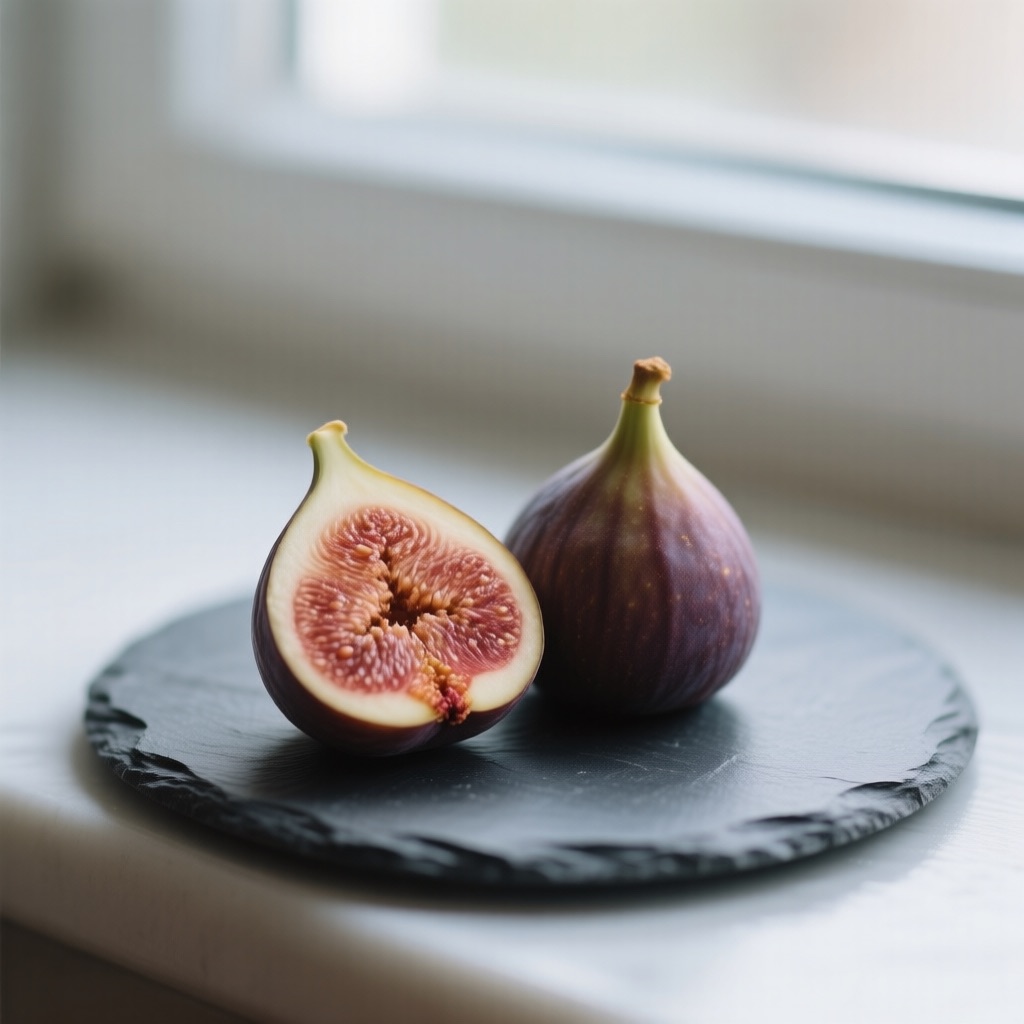
Rendered by this API
“A single ripe fig cut in half on a slate plate, cold north window light, shallow depth of field”
Qwen-Image · 1024×1024 · 20 steps · 30 s · 2 credits
Against the hosted price
Same weights, same picture, less money.
One row a model, each compared to the same model on fal rather than to a neighbour of it, and our price at both ends of the credit scale instead of the flattering end.
| Model | Size | fal | Us, dearest credit | Us, cheapest credit |
|---|---|---|---|---|
| Qwen-Image | 1k | $0.021 | $0.018 (Credit pack, 1.17× cheaper) | $0.008 (Pro, 2.65× cheaper) |
| Qwen-Image | 2k | $0.084 | $0.072 (Credit pack, 1.17× cheaper) | $0.032 (Pro, 2.65× cheaper) |
fal’s rate read from their pricing page on 2026-08-28. They price per megapixel, so the figure is their rate for the same number of pixels we deliver.
And the video model, which needs a caveat
fal is running MiniMax H3 Max at half price until 2026-09-01. Against that promotional rate we are dearer than them on the credit pack and cheaper on Pro. Once it ends we are cheaper on every plan. Both numbers are below, because a table that only showed this week’s would turn false on Tuesday without anybody touching it.
| 5-second clip | fal, until 2026-09-01 | fal, after | Us, credit pack | Us, Pro |
|---|---|---|---|---|
| 480p | $0.125 | $0.25 | $0.225 | $0.099 |
| 768p | $0.2 | $0.4 | $0.27 | $0.119 |
Read from their model page on 2026-08-28. One difference worth naming: MiniMax H3 Max is fal's post-trained variant of MiniMax H3, not the weights we run, so this row compares our price to a near neighbour rather than to the same weights.
The catalogue
Two models, and every number about them.
Two is not many. What you get instead is the price before you call, the render time we measured on our own hardware rather than someone else’s, and open weights you could run yourself if you would rather.
MiniMax H3
Video- Takes
- A prompt, or an image to animate
- Gives
- 4–15 s of MP4 with stereo audio, 6 aspect ratios
- Costs
- 6 credits a second at 768p, 5 at 480p
Dialogue, effects and music come out of the same pass as the picture. Describe the sound in the prompt.
Try MiniMax H3Qwen-Image
Image- Takes
- A prompt, and a negative prompt it actually honours
- Gives
- PNG or WebP at 1k or 2k, seven aspect ratios, up to four a request
- Costs
- 2 credits at 1k, 8 at 2k
- Takes about
- 30 s at 1k on our own RTX 5090
Puts the words you asked for inside the picture and gets them right, which most fast models cannot. Words you did not ask for still come out as scribble. Apache-2.0 weights, Qwen/Qwen-Image.
Call Qwen-Image from the APIOne request
curl -X POST https://kinogenie.com/api/v1/tools/generate-video \
  -H "Authorization: Bearer $API_KEY" -H "Content-Type: application/json" \
  -d '{ "inputs": [], "options": { "prompt": "Golden-hour beach, a puppy runs toward the camera in slow motion. Audio: soft waves, joyful piano.", "seconds": 5, "resolution": "768p", "aspect_ratio": "16:9" } }'
Returns a job id. Poll GET /api/v1/jobs/{id} or set a webhook; the result has a CDN download URL.
Why the list is short
A model only appears here once the fleet has rendered with it and timed it, and once it carries a price we can stand behind. One more is built and measured and still waiting for a price, so it is not on this page.
That is slower than adding a name to a grid, and it is the reason the numbers above are ours rather than a repository’s README.
Straight out of the API
Six renders, and the prompt that made each one.
Qwen-Image at 1024×1024, 2 credits each, nothing retouched and nothing picked from a larger batch. The prompt under each one is what was sent.
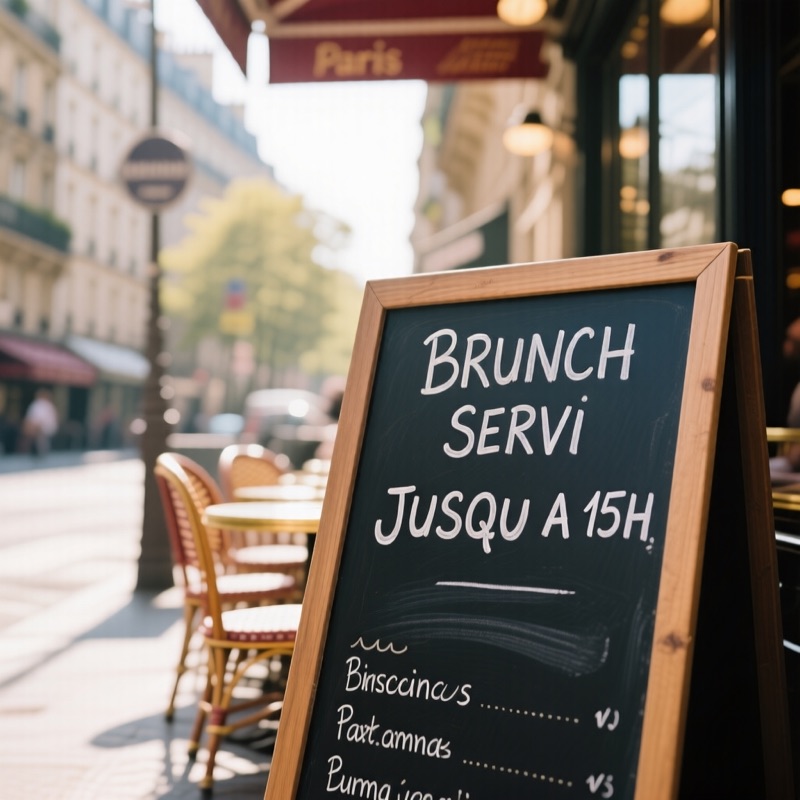
“A hand-lettered chalkboard menu outside a Paris cafe, reading BRUNCH SERVI JUSQU A 15H, morning light, shallow depth of field”
The line asked for comes out right. The lines below it, which the prompt never specified, come out as convincing scribble.

“A bookbinder's hands stitching a signature with waxed thread, worn workbench, window light from the left, warm tones”
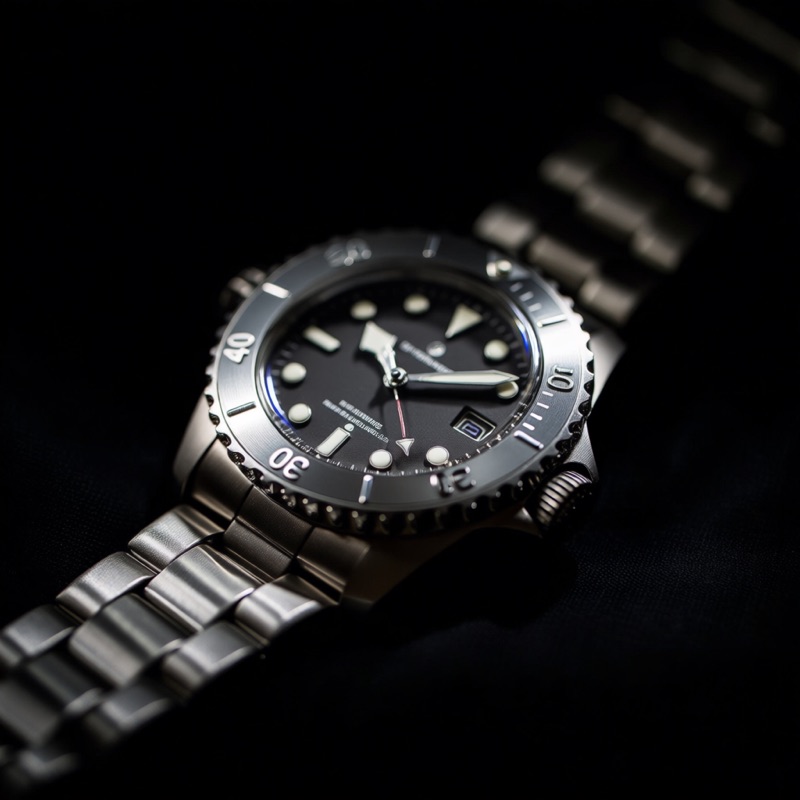
“A brushed steel dive watch lying on dark linen, single hard light source, deep shadows, macro detail on the bezel”
“A single ripe fig cut in half on a slate plate, cold north window light, shallow depth of field”
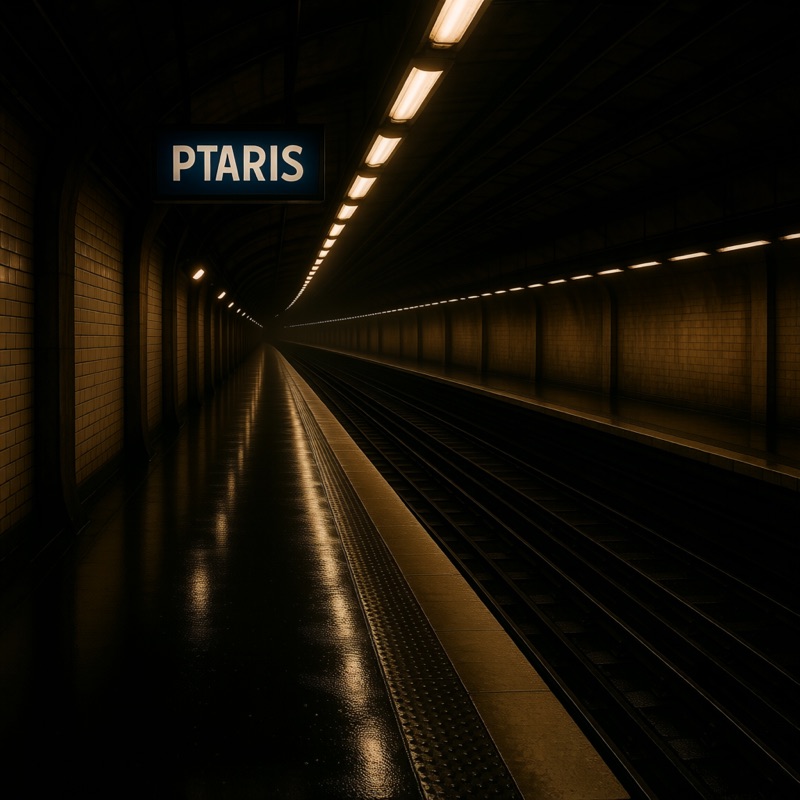
“An empty Paris metro platform at dawn, wet tiles reflecting the light, long perspective down the tunnel”
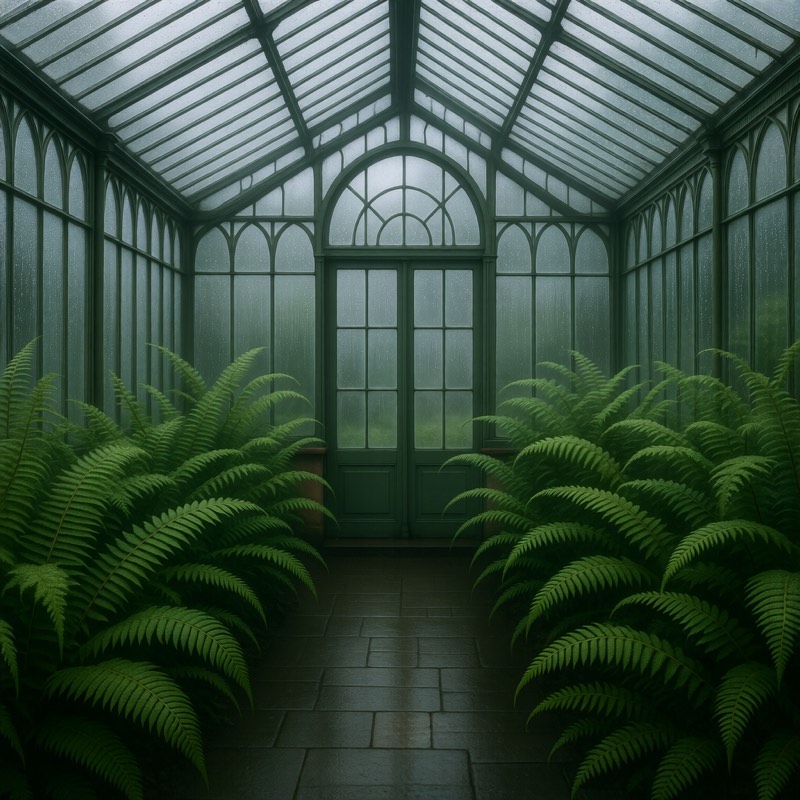
“A Victorian greenhouse interior crowded with ferns, condensation on the glass, cold diffuse daylight”
Flat per-second price
6 credits per second at 768p, 5 at 480p. Reserved when queued, refunded if the render fails.
Picture and sound together
Dialogue, sound effects and music are generated with the video, in stereo. Describe the audio in the prompt.
4–15 s, text or image
Six aspect ratios from text, or pass an image as the first (and last) frame: the clip follows it. 480p or 768p, 24 fps, H.264 + AAC.
Marked as AI-generated
Every file carries an AI-generated tag in its metadata. Prompts and outputs are moderated.
Three ways in
Built for agents and automations, not for a timeline.
REST API
POST /api/v1/tools/generate-video with an API key. Asynchronous jobs, idempotency keys, signed webhooks, OpenAPI description.
Learn moreMCP server
Connect https://kinogenie.com/mcp to Claude, ChatGPT or Codex with OAuth. Two tools: generate_video and get_job.
Learn moren8n and Apify
Drop the node into a workflow: prompt in, download URL out, with "wait for completion" built in.
Learn morePricing
Pay per second. Know the price before you render.
768p video costs $0.048 to $0.024 per second depending on your plan — against $0.08 per second at the usual hosted API — and the credits also work for 480p drafts.
| Per second of video | Credits | Starter ($12/mo) | Developer ($29/mo) | Pro ($99/mo) | Credit pack |
|---|---|---|---|---|---|
| 480p (short edge) | 5 | $0.04/s | $0.029/s | $0.02/s | $0.045/s |
| 768p (short edge) | 6 | $0.048/s | $0.035/s | $0.024/s | $0.054/s |
A 5-second 768p clip = 30 credits. Failed renders are refunded in full.
$0/mo
For your first clips.
- 100 credits once, about 16 s of 768p video
- Full generation API and MCP
- No credit card required
$12/mo
For side projects and first automations.
- 1,500 credits / month, about 250 s of 768p video
- No surprise overages
- Community support
$29/mo
For products generating video every day.
- 5,000 credits / month, about 833 s of 768p video
- No surprise overages
- Email support
$99/mo
For the lowest price per second.
- 25,000 credits / month, about 4166 s of 768p video
- Best price per credit
- Priority support
Need a burst without a subscription? Credit pack: $9 once for 1,000 credits (about 166 s of 768p video). They never expire, and you buy it from the dashboard.
FAQ
How is a clip priced?
Flat, per second of video: 6 credits per second at 768p and 5 at 480p. A 5-second 768p clip is 30 credits — from $0.119 on the Pro plan. The price is reserved when you queue the job and never changes with render time. Failed jobs are refunded.
What do I get back?
An MP4 (H.264, 24 fps) with native stereo audio generated together with the picture, 4–15 seconds long, at 480p or 768p on the short edge, in 16:9, 9:16, 1:1, 4:3, 3:4 or 21:9. The file is served from a CDN URL valid for a year.
How long does it take?
Several minutes per clip — roughly five to ten for a 5-second 768p clip, depending on length and load. The API is asynchronous (poll the job or give us a webhook), so it fits agents and automations rather than live previews.
Which model is this?
MiniMax H3, the open-weight video model from MiniMax, run on our own GPU workers. That is what makes the price possible. Every output carries an AI-generated tag in its metadata, as the EU AI Act requires for synthetic media.
Can I animate an image?
Yes: pass image_url (a public image, or a media_url from an upload) and the model uses it as the first frame, keeping its aspect ratio. Add last_image_url to end on a second image. Describe what happens between them in the prompt and refer to the image as <Picture 1>.
Can I use it from an agent?
Yes. The hosted MCP server exposes generate_video and get_job with OAuth sign-in for Claude, ChatGPT and Codex, and the REST API takes a plain API key. There is an n8n node and an OpenAPI description too.
What is not allowed?
No real-person likeness without consent, no sexual, violent or unlawful content, and no use of the outputs to train other models. Prompts and results are moderated; violations close the account.
Your first clip is on us.
Sign up, paste a prompt, download the MP4. Then hand the same endpoint to your agent.